

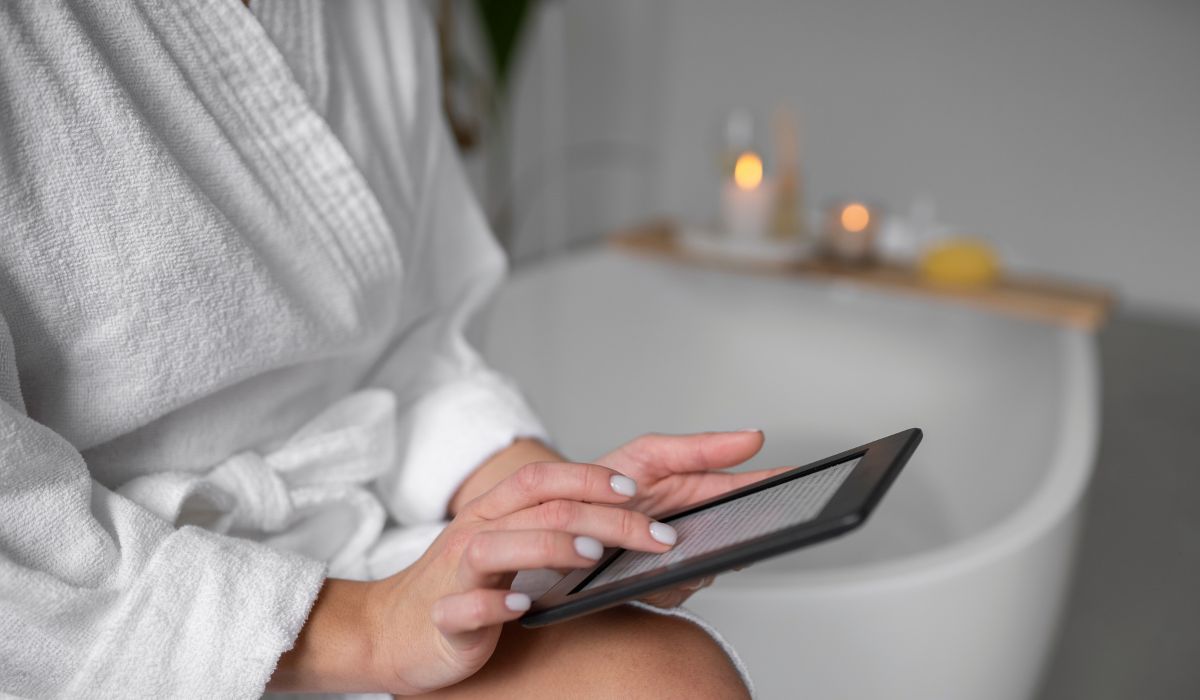
We all do it — slipping the phone into the bathroom for “just a quick scroll.” A few minutes of catching up on social media or news can feel harmless. But a new study published in PLOS One and highlighted by NBC News suggests that this everyday habit may come with an uncomfortable consequence: a higher risk of haemorrhoids.
And here’s the kicker — it’s not just about discomfort. It’s about how our modern scrolling habits are colliding with gut health in surprising ways.
“The longer you sit on the toilet, the worse it is for you.” — Dr. Trisha Pasricha, Beth Israel Deaconess Medical Center
The Study That Started the Conversation
Researchers surveyed 125 adults scheduled for routine colonoscopies. Before their procedures, participants were asked about bathroom habits.
- 66% admitted to using their smartphones in the bathroom — mostly for social media or news.
- Gastroenterologists then checked for signs of hemorrhoids.
- Result? Phone users were 46% more likely to have hemorrhoids compared to non-users.
Even after accounting for classic risk factors — like low fiber intake, constipation, or lack of exercise — the connection held strong.
The conclusion: smartphones keep us sitting longer, and that prolonged pressure is hurting our pelvic floor.
Why Sitting on the Toilet Too Long Is a Problem
When you sit on an open toilet seat, your pelvic floor muscles lose their usual support. Gravity and posture combine to increase pressure on the veins in your rectum.
Over time, this can:
- Stretch and swell the veins → hemorrhoids
- Lead to rectal pain
- Trigger bleeding during bowel movements
- Increase risk of long-term pelvic floor dysfunction
Smartphones worsen the problem by keeping us distracted. Unlike flipping through a newspaper (which you could easily put down), scrolling is designed to hook you in.
📜 History Spotlight: Hemorrhoids Through Time
- Ancient Egypt: Papyrus scrolls describe treatments with honey and herbs.
- Hippocrates (460–370 BCE): Suggested cauterization for swollen rectal veins.
- 19th century: Hemorrhoid surgery became more common in Europe.
- 21st century: Instead of herbs, our problem is…scrolling on smartphones.
It seems every era has its hemorrhoid trigger. Ours just happens to be digital.
Did You Know?
- Hemorrhoids account for nearly 4 million U.S. doctor and ER visits every year (Clinical Gastroenterology and Hepatology).
- Younger patients (40s–50s) are increasingly showing up with hemorrhoid complaints.
- Toilet flushing releases microscopic particles into the air — which land on your phone if it’s nearby. That phone goes back to your couch, desk, or even your dinner table.
- Over time, chronic pelvic strain can also lead to incontinence or worsened constipation.
Expert Opinions
- Dr. Trisha Pasricha (Beth Israel Deaconess): Emphasizes how smartphones extend bathroom time, creating unhealthy pressure.
- Dr. Robert Cima (Mayo Clinic): Has observed an uptick in younger patients with hemorrhoids, though he notes diet and lifestyle could also be factors.
- Dr. Reezwana Chowdhury (Johns Hopkins): Warns that prolonged strain can contribute to long-term pelvic floor dysfunction and incontinence.
Together, they agree: your phone doesn’t belong in the bathroom.
The Gross Factor Nobody Talks About 🤢
It’s not just hemorrhoids. Experts warn that bringing a smartphone into the bathroom is…well, dirty.
When you flush, droplets containing microscopic particles of urine and feces spray into the air. These particles can land on your phone screen. Studies show toilet aerosols can travel up to 6 feet — and yes, that means your beloved phone is likely carrying bacteria back into your living room.
So not only are you straining your veins — you’re turning your smartphone into a germ magnet.
The 5-Minute Rule
Doctors agree: bathroom time should be brief.
- Ideal time: Less than 5 minutes.
- In the study, 37% of smartphone users stayed longer than 5 minutes, compared to only 7% of non-users.
Dr. Pasricha says it best: “If the magic isn’t happening in five minutes, it’s not going to happen. Take a breather and try again later.”
Tips & Tricks to Stay Healthy 🚽📱
1. Leave the Phone Outside
Make the bathroom a no-phone zone. Use the time as a digital detox.
2. Boost Fiber Intake
Whole grains, beans, fruits, and veggies soften stools, reducing strain. Aim for 25–30g per day.
3. Hydrate Well
Dehydration = harder stools = more pressure. Water is your best friend.
4. Move After Meals
Light walks after eating support digestion and reduce constipation.
5. Use a Footstool (Squatty Potty Style)
Elevating your feet changes your angle, making bowel movements smoother and faster.
6. Follow the 5-Minute Rule
Set a timer if needed. Don’t linger beyond five minutes.
💡 Actionable Tip Box
This Week’s Challenge: Try a “No-Phone Bathroom Week.” Track whether your time on the toilet shortens. Notice how your focus and hygiene improve.
FAQs
Q: Are hemorrhoids dangerous?
A: Usually not. They’re uncomfortable but rarely life-threatening. Seek help if bleeding is persistent.
Q: Can hemorrhoids go away on their own?
A: Mild cases often resolve with fiber, hydration, and better habits. Severe cases may need treatment.
Q: Do squatty potties really help?
A: Yes. They mimic a squatting posture, which eases bowel movements.
Q: Should I use wet wipes?
A: Unscented wipes may reduce irritation, but avoid flushing them (clogs pipes).
Must-Watch Video 🎥
Doctor explains hemoroids (Piles)
Must-Listen Podcast 🎧
Gut Health: Dr Justin Sonnenburg
📚 Book Corner (Light-Hearted Pick)
Everybody Poops by Taro Gomi — a fun reminder that bathroom time is natural, but it doesn’t need to be an extended scrolling session.
Key Takeaway
Smartphones have infiltrated every corner of our lives — even the bathroom. But science is clear: scrolling on the toilet increases your risk of hemorrhoids, pelvic floor strain, and even bacterial exposure.
The fix is simple: keep bathroom time short, fuel your body with fiber and water, and give your phone (and your gut) a break.
Disclaimer
This blog is for educational awareness only. Bathroom habits vary, and hemorrhoids have multiple causes. If you notice persistent pain, bleeding, or bowel changes, consult a doctor. Remember: sometimes the healthiest habit is also the simplest — leaving your phone outside the bathroom.














No Comments